Join our generous donors who make advancing healthcare in the Northwoods possible.
Jump on Board: Join Our Healthcare Heroes
Experience the best kept secret working in the magic of the Northwoods with a level of care that you would expect in urban settings.

Winter 2023: Change the Future of Healthcare - Believe in Your Legacy
Defining Moments
Read about what we've been up to at the Howard Young Foundation
View Latest Edition
I am investing my time and financial support in an organization I believe in. The Howard Young Foundation demonstrates great compassion in identifying and supporting our community’s needs, and also serves as a careful steward of funds received.
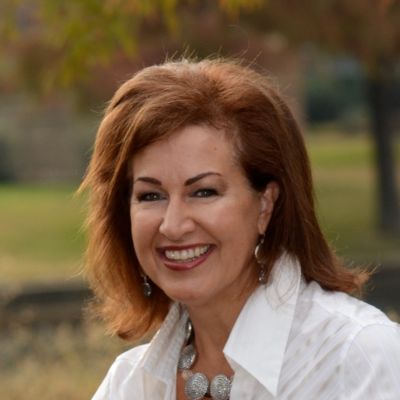
Carrie Nichols Hoye
Distinguished Benefactor
The Howard Young Foundation is committed
to advancing the health and wellness of all people in the communities we serve. We select and fund projects that will have the largest positive impact on our community.
Here's some of what we've done:
Prevention & Healthy Living
3D Mammography improves early detection, provides faster results and less worry for patients.
Cardiology Suite and Diagnostic Equipment determines the presence of heart disease, extent of it, and most appropriate treatment.
New & Innovative Technology
da Vinci® Robotic Surgical System turns complicated surgeries into minimal ones with less pain, less blood loss, faster recovery.
State-of-the-art Flash CT Scanner provides a higher image quality with a significantly lower dose of radiation.
Building for the Future
Spirit helicopter base enhances response time and advances emergency services locally.
18 LucasTM2 Chest Compression Devices for ambulances deliver hands free CPR increasing the possibility of survival.
Diagnose. Treatment. Follow-up. Research.
HYF is bringing the first tick-borne illness treatment and research center in the Midwest to the Northwoods of Wisconsin.
Learn MoreUpcoming Events

Bonhomie Club Recognition Dinner
A night to celebrate our incredible donors!Starts on at

Northern Waters Distillery
Giving the Old Fashioned Way
Join the Women's Legacy Council for a night of Giving the Old Fashioned Way.Starts on at

Torpy Park
2024 Minocqua Dragon Boat Festival
Feel the Energy of the 8th Annual Minocqua Dragon Boat Festival!Starts on at

Seasons of Life Garden
Seasons of Life Gardenfest
A lovely day to benefit Seasons of Life Gardens.Starts on at

Bearskin Trail
Lakeland Pantry Bear Cupboard Run
Join us for the 15th Annual Lakeland Pantry Bear Cupboard Run to benefit the Lakeland Pantry.Starts on at

Trout Lake Golf Club
15th Annual Let's Tee Off Against Breast Cancer
Join us at Trout Lake Golf Club for a special women-only 18 hole “FUN”draiser golf scramble sponsored by the Trout Lake Ladies Golf League to help us provide support to great cancer patients across the Northwoods.Starts on at

Northfork Fin & Filet and Minocqua Country Club
2024 Lakeland STAR Golf Outing
The Annual Lakeland STAR Golf Outing to support Lakeland STAR School/Academy and Rising STAR Transition Center.Starts on at

North Fork Fin & Filet & Minocqua Country Club
Lakeland STAR Golf Outing
The annual Lakeland STAR Golf Outing held at North Fork Fin & Filet restaurant and Minocqua Country Club benefits Autism Services and the students of Lakeland STAR School/Academy and Rising Star Transition Center.Starts on at

Torpy Park
2023 Minocqua Dragon Boat Festival
The 8th Annual 2023 Minocqua Dragon Boat FestivalStarts on at

Bearskin Trail
14th Annual Bear Cupboard Run
Join us for the 14th Annual Bear Cupboard Run on Saturday, June 24th on the scenic Bearskin Trail to benefit Lakeland Pantry and the Firebird Foundation.Starts on at

Unitarian Universalist Fellowship
Garden Tea
Enjoy a peaceful afternoon at Seasons of Life Gardens with raffles, music, and refreshments.Starts on at

Minocqua Country Club
Lakeland STAR Golf Outing
Join us Tuesday, June 7, 2022, at the exclusive Minocqua Country Club for our Annual Lakeland STAR Golf Outing!Starts on at

The Waters of Minocqua
2022 Wine, Women and Winter
Wine Women and Winter celebrates the holiday season and benefit the Lakeland Pantry.Starts on at

Trout Lake Golf Club
2022 Let's Tee Off Against Breast Cancer
Join us at Trout Lake Golf Club for a special women only golf event to help us provide support to cancer patients across the Northwoods.Starts on at

Bear Skin Trail
13th Annual Bear Cupboard Run
Please join us for the 13th Annual Bear Cupboard Run Saturday morning, June 25th on the scenic Bearskin Trail!Starts on at

The Waters of Minocqua
RESCHEDULED FOR 2022: Wine, Women and Winter
Wine Women and Winter celebrates the holiday season and benefit the Lakeland Pantry.Starts on at

TBD
12th Annual Bear Cupboard Run
Join us for the 12th annual Bear Cupboard Run to benefit the Lakeland Pantry & Wisconsin Nordic Development Group.Starts on at

Torpy Park
2022 Minocqua Dragon Boat Festival
Feel the energy of the 2022 Minocqua Dragon Boat Festival! Back and in person in 2022.Starts on at

Northwoods Unitarian Universalist Fellowship
RESCHEDULED for 2021 Cup of Tea
Support the Seasons of Life Garden with a walk through the garden.Starts on at

Torpy Park
2020 VIRTUAL Minocqua Dragon Boat Festival
Feel the energy of the 5th Annual Minocqua Dragon Boat Festival!Starts on at

Trout Lake Golf Club
RESCHEDULED for 2021 Let's Tee Off Against Breast Cancer
Join us at Trout Lake Golf Club for a special women only golf event to help us provide support to great cancer patients across the Northwoods.Starts on at

Minocqua Country Club
RESCHEDULED for 2021 35th Annual Dr. Kate Pro-Am Golf Event
The Dr. Kate Hospice Pro-Am Golf Tournament is a part of golfing and hospice history in the Lakeland area. Teams of 4 amateurs are led by a Wisconsin PGA golf professional. You won’t want to miss it!Starts on at

VIRTUAL
2020 VIRTUAL Bear Cupboard Run
Join us for the 2020 VIRTUAL Bear Cupboard Run!Starts on at

The Waters of Minocqua
RESCHEDULED to 2021 Wine, Women and Winter
Wine Women and Winter celebrates the holiday season and benefit the Lakeland Pantry.Starts on at

Minocqua Country Club
2021 Lakeland STAR Golf Outing
2021 Lakeland STAR Golf outing to benefit the students at Lakeland STAR School/Academy.Starts on at

Howard Young Medical Center
Tree of Love
Welcome the holidays with an evening of warm memories, fellowship and shaing at the beautiful Tree of Love Ceremony.Starts on at

The Waters of Minocqua
Wine, Women and Winter
Wine Women and Winter celebrates the holiday season and benefit the Lakeland Pantry.Starts on at

Trout Lake Golf Club
Let's Tee Off Against Breast Cancer
Join us at Trout Lake Golf Club for a special women only golf event to help us provide support to great cancer patients across the Northwoods.Starts on at

Bear Skin Trail, Minocqua, WI
Bear Cupboard Run
Please join us for the 10th Annual Bear Cupboard Run Saturday morning, July 20th on the scenic Bearskin Trail!Starts on at

Torpy Park
Dragon Boat Festival
The Minocqua Dragon Boat Festival is about camaraderie, fun, and enjoying a day on the water to benefit the work of the Howard Young Foundation.Starts on at